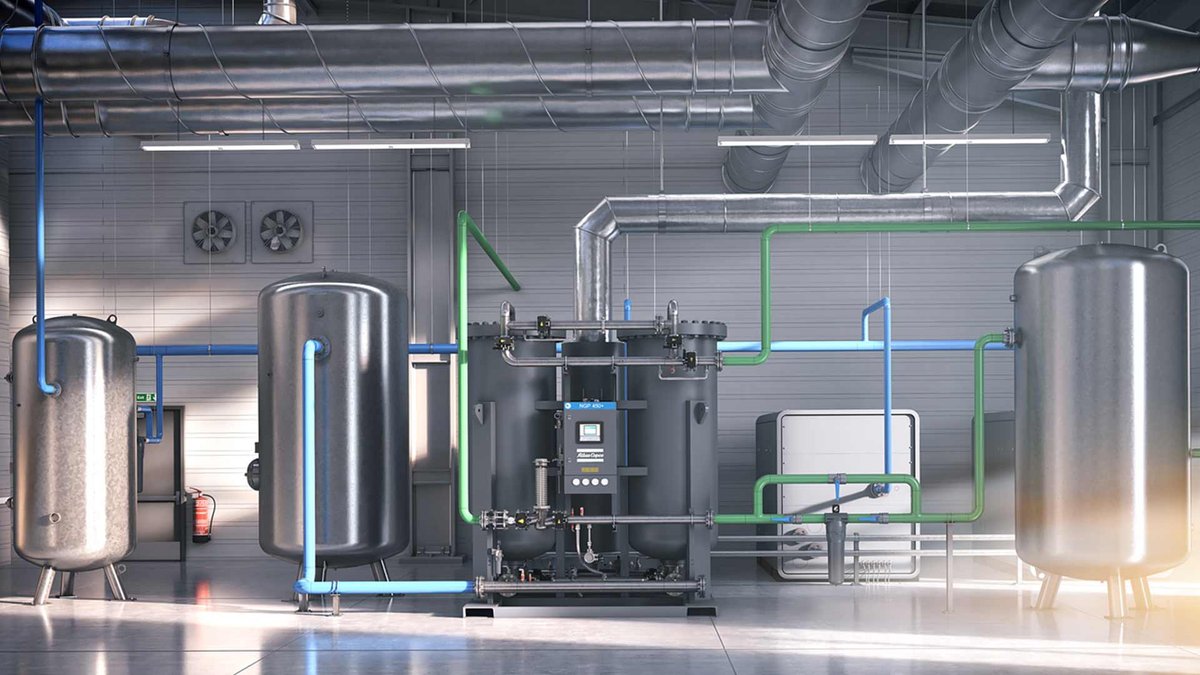
Across countless sectors, a quiet but profound revolution is underway. Industrial facilities, from sprawling pharmaceutical campuses to remote oil rigs, are discovering that the traditional ways of acquiring nitrogen no longer cut it. The applications of on-site nitrogen generation by industry are not just offering a new alternative; they're fundamentally reshaping how businesses manage critical gas supplies, delivering unprecedented control, cost savings, and operational resilience. Gone are the days of constant deliveries, managing bulky tanks, and fretting over supply chain disruptions. Instead, companies are harnessing the air around them, producing pure nitrogen on demand, right where they need it.
This shift isn't merely about convenience; it's a strategic move towards greater efficiency, sustainability, and safety. By separating nitrogen from compressed ambient air using advanced technologies like Pressure Swing Adsorption (PSA) or membrane filtration, businesses are unlocking a world where their nitrogen supply is as reliable as their power grid.
At a Glance: Why On-Site Nitrogen is a Game-Changer
- Cost Savings: Slash recurring delivery, rental, and transportation fees—leading to significant long-term operational savings.
- Uninterrupted Supply: Enjoy a steady, on-demand nitrogen flow, eliminating reliance on external suppliers and their schedules.
- Enhanced Safety: Drastically reduce the risks associated with storing and handling high-pressure nitrogen cylinders.
- Reduced Environmental Footprint: Lower carbon emissions by cutting back on transport and eliminating cylinder disposal waste.
- Tailored to Your Needs: Systems can be customized for specific purity levels (often exceeding 99.99%) and flow rates.
- Scalability: From compact laboratory units to massive industrial systems, on-site generation fits diverse operational scales.
- Industry-Wide Impact: Transforming food packaging, pharmaceuticals, oil & gas, electronics, chemical processing, and more.
The Unseen Shift: Why On-Site Nitrogen Matters Now
For decades, industries relied on delivered nitrogen, typically in high-pressure cylinders or bulk liquid tanks. While seemingly straightforward, this model came with a host of hidden headaches: recurring delivery charges that added up, the constant logistical challenge of managing storage space, the nagging fear of supply interruptions, and significant safety risks associated with handling pressurized gas. These pain points weren't just inconvenient; they impacted profitability and operational continuity.
Enter on-site nitrogen generation. These systems function by taking ordinary compressed air and passing it through a specialized separation process, most commonly Pressure Swing Adsorption (PSA) or membrane technology. The result? High-purity nitrogen gas, available on demand, directly at the point of use. This elegant solution addresses every single drawback of traditional supply, proving that sometimes, the best solution is to produce what you need, exactly where you need it.
The immediate appeal lies in the cost savings. By eliminating transportation, rental, and delivery fees, companies often see substantial reductions in operational expenditure. Pharmaceutical firms, for instance, have reported up to 15% cost savings by transitioning to on-site generation. But the benefits extend far beyond the bottom line. You gain unmatched reliability, ensuring an uninterrupted flow that's crucial for time-sensitive processes. Safety is dramatically improved by reducing or eliminating the need for storing dangerous high-pressure cylinders. From an environmental perspective, on-site generation significantly lowers your carbon footprint by reducing truck-related emissions and the waste associated with cylinder disposal. Crucially, these systems offer unparalleled customization—you can configure them for the precise purity (often exceeding 99.99%) and flow rates required by your specific application, and they are highly scalable, adaptable from small lab setups to immense industrial demands. Understanding how these systems work is key, and you can dive deeper into the mechanics with Your guide to N2 generators.
Industry by Industry: Where On-Site Nitrogen Makes a Difference
The transformative power of on-site nitrogen generation isn't confined to a single niche; it's a versatile solution that addresses critical needs across a diverse spectrum of industries. Let's explore some of the most impactful applications.
Nourishing Lives: Food Packaging and Preservation
Imagine extending the freshness of produce, meats, and snacks by weeks, not just days. That's precisely what on-site nitrogen generation enables in the food industry through Modified Atmosphere Packaging (MAP). Here, nitrogen replaces oxygen in sealed packages. Why is this critical? Oxygen is the primary culprit in food spoilage, facilitating microbial growth and oxidative degradation. By flushing out oxygen and creating an inert nitrogen atmosphere, companies can significantly extend shelf life, slow down spoilage by 20-30%, and preserve the taste, texture, and nutritional value of their products.
Major players like Tetra Pak and Sealed Air leverage these systems to ensure everything from dairy products to processed meats arrives fresher, lasts longer, and maintains quality. For businesses operating on tight margins and facing immense pressure to reduce waste, the reliable, cost-effective nitrogen supply from on-site generators is a game-changer, ensuring product integrity from farm to fork.
Purity in Every Pill: Pharmaceutical Manufacturing
In the pharmaceutical world, precision, purity, and compliance are non-negotiable. On-site nitrogen generation systems are indispensable in this highly regulated environment, playing a critical role in various stages of drug manufacturing. Nitrogen is essential for inerting, creating oxygen-free environments in reactors, storage vessels, and packaging lines to prevent oxidation, degradation, and contamination of sensitive active pharmaceutical ingredients (APIs) and finished products.
It's also crucial for processes like freeze-drying (lyophilization) and sterilization, where a reliable, contaminant-free nitrogen supply is paramount. Meeting stringent regulatory standards like Good Manufacturing Practices (GMP) and FDA guidelines demands a nitrogen source that is not only pure but also consistently available without interruption. On-site generators provide exactly this—a dependable, high-purity supply that supports product integrity, process safety, and regulatory adherence, directly contributing to patient safety and product efficacy.
Powering the Depths: Oil & Gas Exploration
The oil and gas industry often operates in some of the world's most remote and challenging environments—think offshore platforms, desert drilling sites, or Arctic exploration. Transporting bulk nitrogen to these locations is logistically complex, expensive, and often unreliable. This is where on-site nitrogen generation shines.
In upstream operations, nitrogen is crucial for well stimulation, where it's injected to increase pressure and improve hydrocarbon flow. It's also used for pressure maintenance in pipelines and storage facilities, as well as for inerting drill strings and processing equipment to prevent explosions and fires, especially when dealing with flammable gases and liquids. The ability to deploy on-site systems rapidly, especially in remote or offshore locations, provides a critical advantage. These systems can deliver purity levels exceeding 99.99%, ensuring operational safety and efficiency where external supply simply isn't feasible or cost-effective.
Precision Perfected: Electronics & Semiconductor Manufacturing
Manufacturing semiconductors and electronics components demands an environment of extreme cleanliness and precision. Even microscopic contaminants can lead to device failure, making ultra-high purity nitrogen an absolute necessity. On-site nitrogen generation is a cornerstone of this industry, providing the critical inert atmosphere required for sensitive processes.
Nitrogen is used extensively in wafer fabrication, where it purges process chambers, preventing oxidation and contamination during etching, deposition, and annealing steps. It's also vital for cleaning sensitive components and keeping cleanrooms free of particulate matter. The consistent availability of ultra-high purity nitrogen from on-site generators directly contributes to a 10-15% reduction in production downtime and significantly improved yield rates. In an industry where technological advancements are rapid and competition is fierce, every fraction of efficiency and reliability matters.
Guarding Reactions: Chemical & Petrochemical Processing
The chemical and petrochemical industries deal with highly reactive, often hazardous, materials. Safety is paramount, and controlling atmospheric conditions within reactors, storage tanks, and pipelines is a fundamental requirement. Nitrogen serves as an inert gas, crucial for enhancing safety and preventing catastrophic failures.
On-site nitrogen generation is used for inerting reactors and other process vessels, preventing unwanted reactions with oxygen that could lead to fires, explosions, or product degradation. It's also employed for blanketing storage tanks containing flammable liquids or sensitive chemicals, creating a protective layer that isolates the contents from atmospheric oxygen and moisture. Furthermore, nitrogen can be used to control reaction rates and for purging lines during maintenance or shutdowns. Plants with fluctuating nitrogen demand particularly benefit from on-site generation, as it provides a readily available supply, preventing costly shutdowns and ensuring continuous, safe operation. The ability to produce nitrogen tailored to specific flow rates ensures that safety protocols are met without excessive waste or expenditure.
Beyond the Basics: Essential Considerations for Implementation
Adopting on-site nitrogen generation isn't just about purchasing a machine; it's about integrating a vital utility into your existing infrastructure. Careful planning and consideration are key to maximizing benefits and ensuring smooth operation.
Designing Your Compressed Air Lifeline
The foundation of any successful on-site nitrogen generator is a properly designed compressed air system. Since the generator separates nitrogen from compressed air, the quality, pressure, and volume of that input air are critical. You need to consider:
- Air Quality: Clean, dry, oil-free compressed air is essential. Adequate filtration and air dryers are non-negotiable to protect the generator and ensure nitrogen purity.
- Pressure Settings: The input pressure directly impacts the generator's efficiency and output purity.
- Equipment Sizing: Matching the compressed air system's capacity to the nitrogen generator's requirements is vital to avoid bottlenecks or inefficient operation. An undersized system can compromise nitrogen output, while an oversized one wastes energy.
Seamless Integration into Your Operations
On-site nitrogen generators are designed to integrate smoothly into existing plant infrastructure. They typically connect via stack or process line connections, ensuring a direct and continuous supply to your application points. Modern systems offer flexible installation options, whether it's a dedicated utility building, an outdoor enclosure, or a compact unit within your production facility. Key considerations during integration include:
- Footprint: How much space is available?
- Utility Connections: Access to electrical supply, cooling water (if applicable), and process air.
- Maintenance Access: Ensuring adequate space around the unit for routine servicing and filter changes.
Navigating Regulations and Safety
Compliance is paramount. Any industrial gas system must adhere to a range of safety and environmental regulations. For on-site nitrogen generation, this includes:
- Occupational Safety and Health Administration (OSHA): Ensuring safe operation, handling, and maintenance procedures.
- Environmental Protection Agency (EPA): While generating nitrogen from air is inherently clean, any associated compressed air equipment might have specific emissions or noise regulations.
- Industry-Specific Certifications: Depending on your sector (e.g., GMP for pharmaceuticals, food safety standards), additional certifications and validation might be required for the nitrogen supply.
It's crucial to work with providers who understand and help you meet these regulatory demands, ensuring your system operates safely and legally.
The Smart Plant: Automation and Monitoring
Today's on-site nitrogen systems are increasingly sophisticated, incorporating automation features that enhance efficiency and ease of use. Remote monitoring and control capabilities allow operators to:
- Track Performance: Monitor purity levels, flow rates, and system pressure in real-time.
- Receive Alerts: Get immediate notifications of any operational anomalies.
- Optimize Settings: Adjust parameters remotely to match changing production demands.
This level of automation not only reduces the need for constant manual oversight but also enables predictive maintenance, allowing you to address potential issues before they lead to costly downtime.
Choosing Your Partner: Leading Providers in the Space
The market for on-site nitrogen generation is robust, with several reputable companies offering a wide range of solutions tailored to different industrial needs. Leading solutions providers known for their comprehensive offerings include Atlas Copco, Air Products, Linde, Praxair, and Fives. These companies offer robust, scalable systems and extensive global support.
For more niche markets or specific applications, you might also consider Parker Hannifin, known for its membrane technology and smaller-scale solutions, Inmatec, offering a broad portfolio of PSA generators, and Peak Scientific, a prominent provider for laboratory-scale nitrogen generators. When evaluating providers, look beyond just the equipment; consider their service network, technical support, and industry-specific expertise.
Your Action Plan: What to Ask Before Investing in On-Site Nitrogen
Making the switch to on-site nitrogen generation is a significant decision that promises long-term benefits. To ensure you select the right system for your operations, consider the following critical questions:
- What is Your Required Nitrogen Purity? Different applications demand different purity levels. Are you aiming for 99.9% for inerting, or ultra-high purity (e.g., 99.999% or higher) for sensitive electronics manufacturing? Precision here prevents overspending on unnecessary purity or compromising critical processes.
- What is Your Current and Future Nitrogen Demand? Accurately assess your average and peak flow rates. A system that can comfortably meet your current needs while offering scalability for future growth is ideal. Consider any planned expansions or new processes.
- How Energy Efficient is the System? Operational costs don't end with the initial purchase. Energy consumption is a significant factor. Request detailed data on power usage per cubic meter of nitrogen produced to evaluate long-term energy efficiency and cost reduction potential.
- What are the Maintenance Requirements and Vendor Support? Inquire about routine maintenance schedules, ease of service, and the availability of spare parts. What level of technical support does the vendor offer? A strong service agreement can prevent unexpected downtime and ensure peak performance.
- Does the System Comply with Relevant Regulations and Certifications? Confirm that the generator meets all industry-specific safety, environmental, and quality standards (e.g., OSHA, EPA, ISO, GMP, FDA).
- Is it Compatible with Your Existing Infrastructure? Ensure the system can seamlessly integrate with your current compressed air supply, power grid, and process connections. Also, assess its compatibility with any existing plant automation and monitoring systems for unified control.
By thoroughly addressing these points, you can make an informed decision that will optimize your investment and seamlessly transition to a more efficient, reliable, and sustainable nitrogen supply.
The Horizon Ahead: On-Site Nitrogen in 2025 and Beyond
The trajectory for on-site nitrogen generation is one of continued growth and innovation. Looking towards 2025 and beyond, we can expect to see an even greater prevalence of these systems, driven by several key trends.
Firstly, adoption in emerging markets is rapidly increasing as industrialization expands globally, and companies seek more resilient and cost-effective solutions. Secondly, ongoing advancements in technology are leading to further miniaturization of units, making on-site generation accessible to smaller facilities and even mobile applications.
Perhaps the most significant development is the integration of on-site nitrogen systems with Industry 4.0 technologies. This means smarter, more efficient operations powered by real-time monitoring, predictive maintenance, and artificial intelligence. Imagine a nitrogen generator that can anticipate a filter change, automatically order the part, and notify maintenance staff, all while continuously optimizing its energy consumption based on production schedules. This level of connectivity promises unprecedented operational efficiency and reliability.
While initial investment costs and the technical complexity of integrating a new system remain barriers for some, ongoing innovations are steadily addressing these challenges. As the technology becomes more accessible and user-friendly, its applications are expected to expand into new and evolving industries such as biopharmaceuticals, where precision and purity are critical, and advanced manufacturing, including additive manufacturing (3D printing) which often requires inert atmospheres.
The future of industrial gas supply is clear: it's on-demand, on-site, and increasingly intelligent.
Taking the Next Step
The shift to on-site nitrogen generation represents more than just a technological upgrade; it's a strategic embrace of efficiency, safety, and environmental stewardship. By moving beyond traditional supply models, industries gain an unparalleled level of control over a critical utility, allowing them to optimize processes, reduce costs, and enhance their operational resilience.
If your business relies on nitrogen, now is the time to evaluate the potential of on-site generation. Start by assessing your current consumption, purity requirements, and the true cost of your existing supply. Engage with leading providers, ask the right questions, and explore how a customized on-site solution can not only meet your needs today but also future-proof your operations for the challenges and opportunities of tomorrow. The air around you holds the key to a more efficient future.